


Note (Disclaimer): Due to natural variations, different species of potted plants and miniature bonsai may exhibit distinct growth habits and conditions depending on factors such as time zone, growth stage, seasonal changes, climate, and care environment. Care recommendations should be adjusted according to the plant’s actual condition. This information is intended to provide scientific, general care guidance and does not constitute a specific guarantee for individual plants. We encourage you to observe your plant closely and make timely adjustments to light, water, temperature, and care methods for the best growth results.
Skip to product information
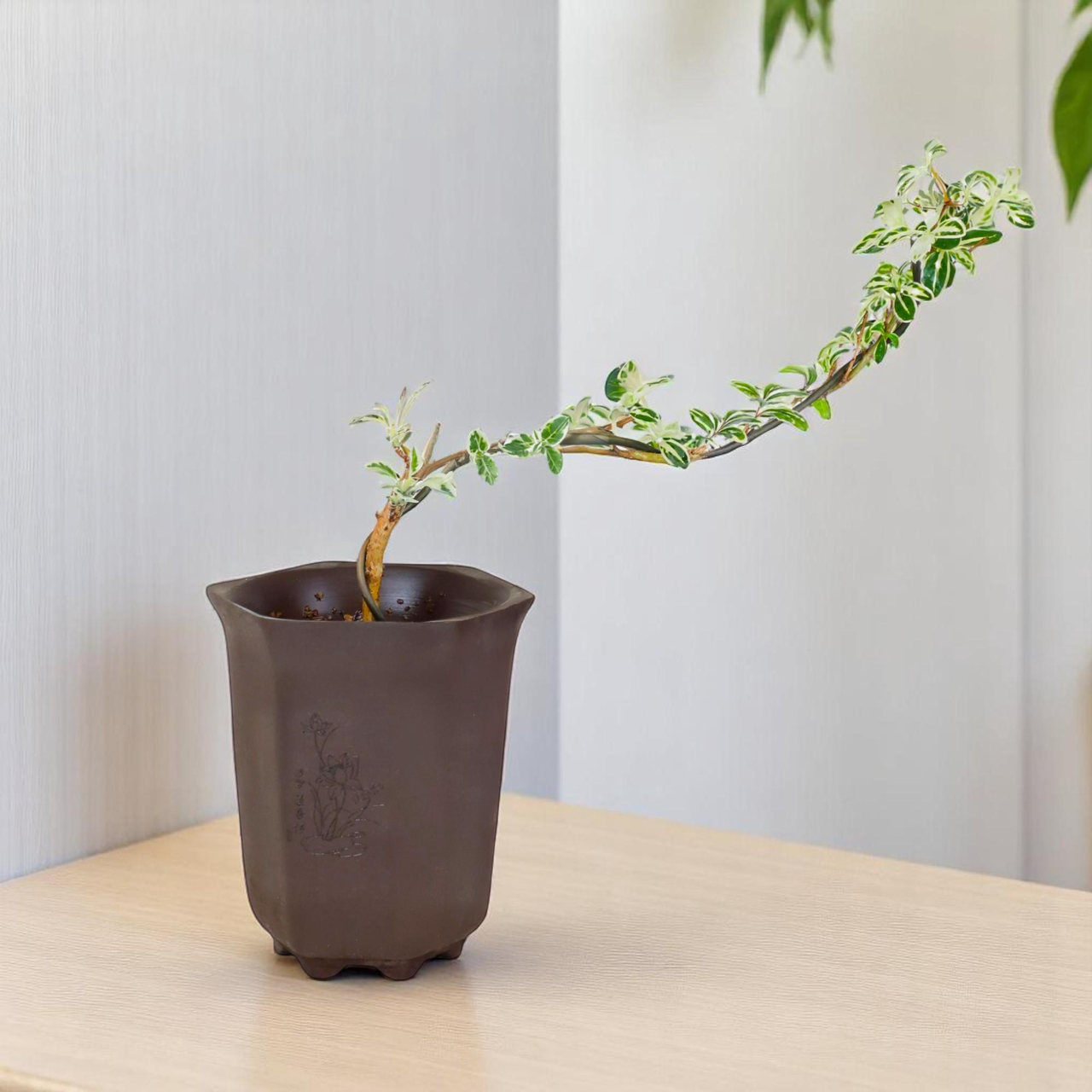
"Snow in June" Mini Variegated Snowrose Bonsai
Serissa japonica
Miniature Evergreen with Golden-Edged Leaves
$49.99
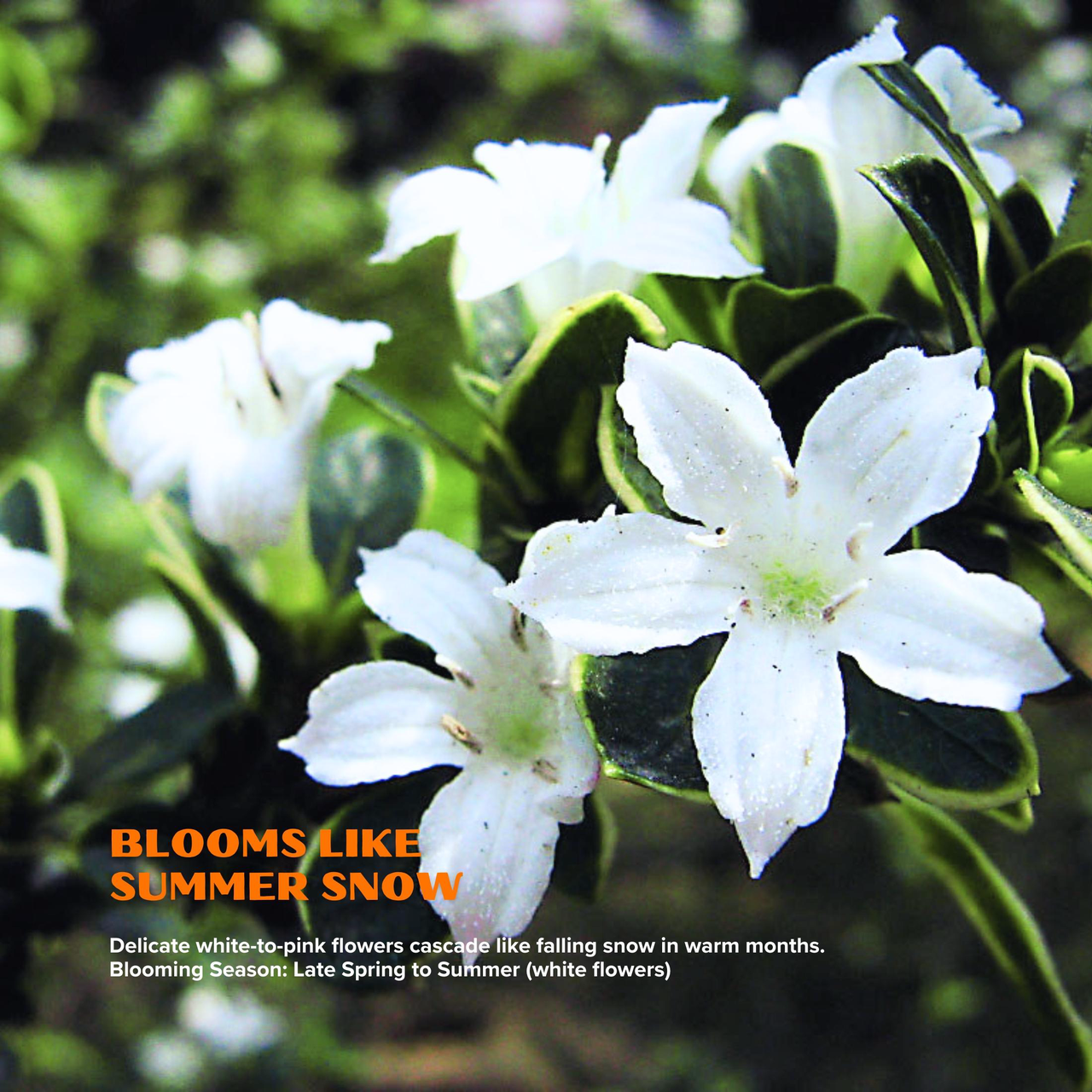
At a Glance
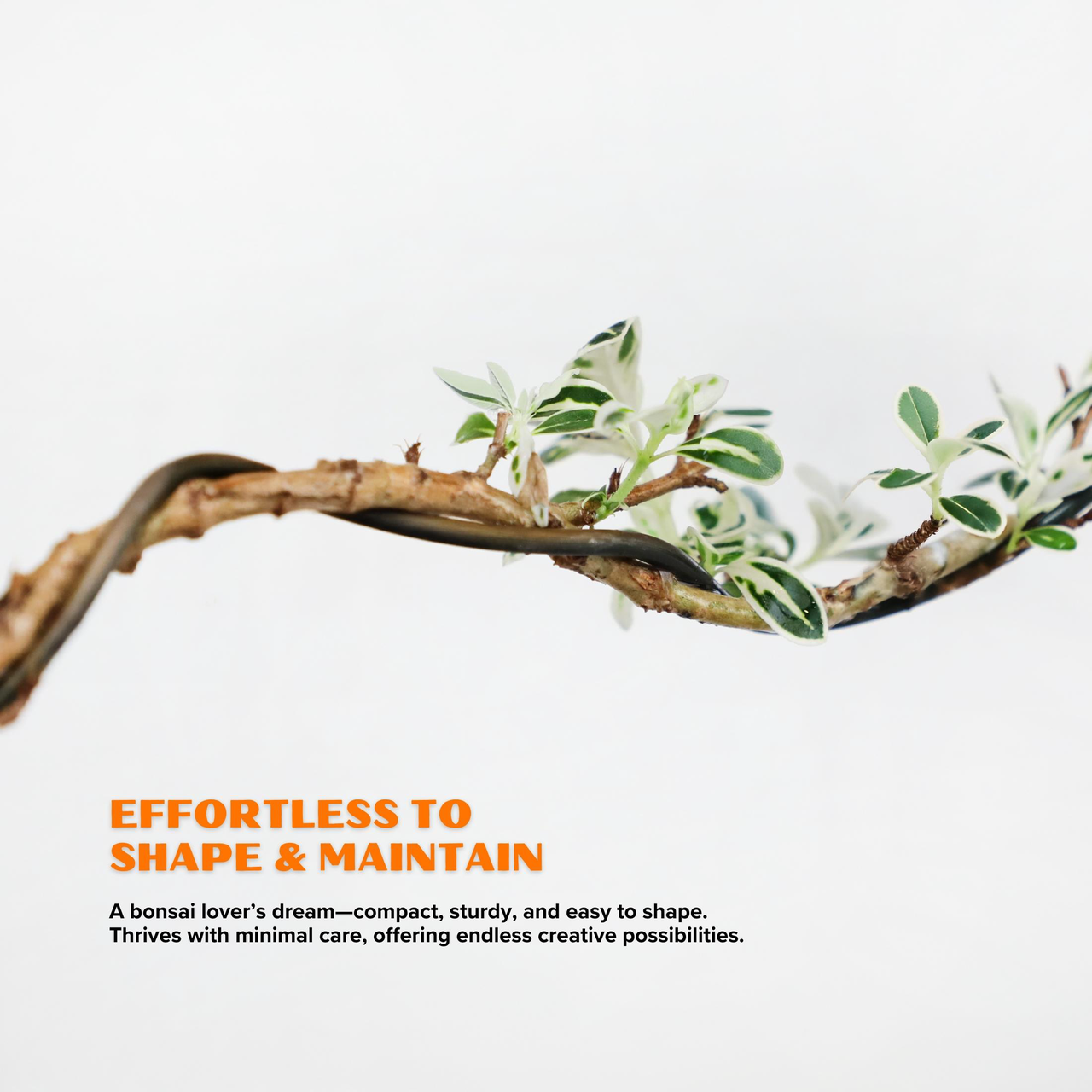
Plant Care
Sunlight: Prefers bright indirect light; tolerates gentle morning sun
Water: Keep soil evenly moist but well-drained; avoid drying out or waterlogging
Temperature: Prefers 60–80°F (15–27°C); protect from frost
Fertilizer: Feed every 2–4 weeks during the growing season with balanced liquid fertilizer
Pruning: Trim regularly to maintain shape; responds well to styling
This is a Snowrose bonsai tree, specifically a variegated Serissa japonica, commonly known as “Snow in June,” a flowering bonsai species valued for its delicate foliage, seasonal blooms, and refined branching structure.
This miniature bonsai features small green leaves edged with creamy-gold variegation, creating a bright and textured appearance throughout the year. During the growing season, it produces small white flowers that resemble fresh snow, giving the plant its distinctive name and adding seasonal visual interest.
Each tree is hand-trained and styled for bonsai display, with fine branching that supports a variety of traditional forms. Its compact size makes it well-suited for desks, shelves, and small display spaces.
This bonsai thrives in bright, indirect light and can tolerate some gentle morning sun. It requires evenly moist, well-draining soil, and care should be taken to avoid both drying out and waterlogging.
The plant prefers a warm environment between 60–80°F (15–27°C) and should be protected from frost. Moderate to high humidity is beneficial, especially in drier indoor environments.
For optimal growth, feed every 2–4 weeks during the growing season with a balanced liquid fertilizer. Regular pruning helps maintain its shape and encourages dense branching, and the plant responds well to styling techniques.
Ideal for decorative display, small spaces, plant enthusiasts, and as a unique, living gift with seasonal interest.